
Dedication, Skill, and the Spirit of Martial Arts
Dear Students, Parents & Future Members of The Alchymy!
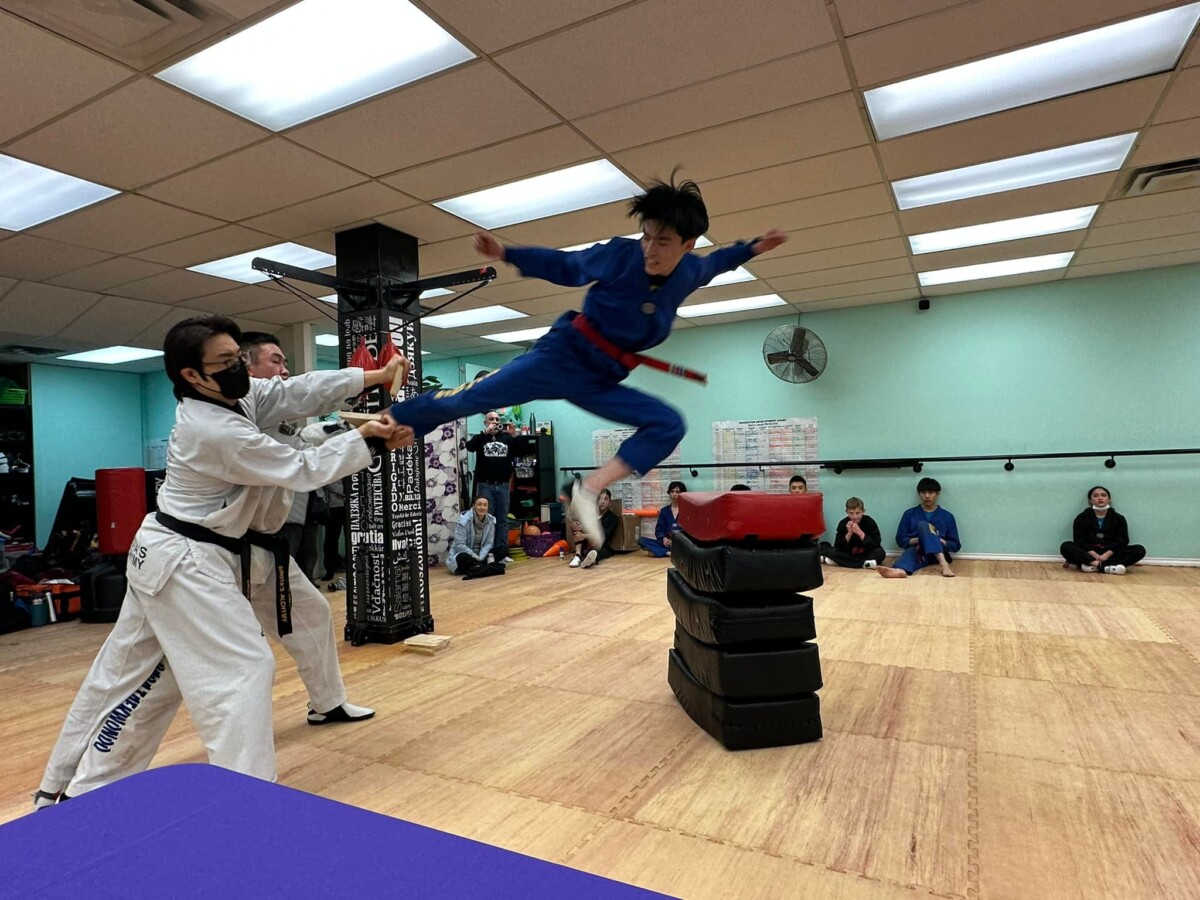 Achieving a Black Belt in Martial Arts at Sirota’s Alchymy is a transformative journey – a blend of physical mastery, mental fortitude, and personal empowerment. For many, the Black Belt is not just a symbol of technical skill but a testament to years of hard work, discipline, and the pursuit of personal excellence in the martial arts styles of Taekwondo & Hapkido.
What does it take to become a Black Belt at Sirota’s Alchymy?
The Foundations: Early Belts and Progression
Before one can even contemplate attaining a Black Belt, there is a structured progression through a series of coloured belts. Students start at the rank of White Belt and with consistency, dedication, work ethic and skill development progress to Black Belt. To progress from one belt to the next, students must earn ‘Technical Stripes’ prior to testing for their belt.
Time Commitment: Advancing from white belt to Black Belt generally requires 5 – 7 years years of consistent training, often practicing multiple times per week. Alchymy students will earn a Black Belt in Taekwondo and Hapkido.
Technical Curriculum: Each belt level introduces new techniques such a s kicks, patterns, sparring drills, board breaking and self-defense maneuvers. Mastery at each stage is essential before moving forward.
Progress Testing: Promotion typically involves formal testing, where students demonstrate the required skills for their current level. Tests will include kicking and hand techniques, sparring, breaking boards breakfalls, and board breaking.
 Physical Requirements
The journey to Black Belt is physically demanding, requiring:
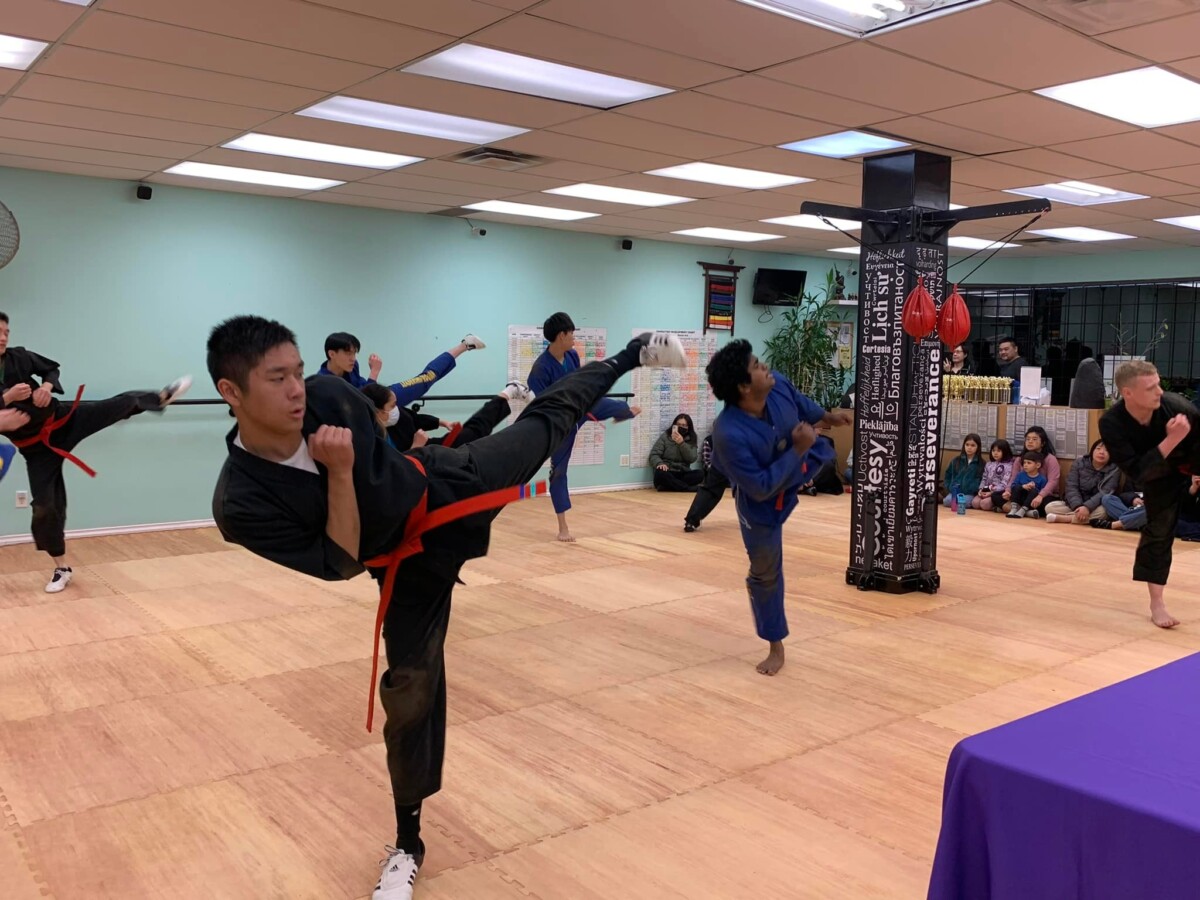
Flexibility: High, precise kicks are the hallmark of Taekwondo. Stretching routines form an integral part of training to ensure agility and injury prevention.
Strength: Core, leg, and upper body strength support powerful techniques. Conditioning exercises such as push-ups, sit-ups, squats, and plyometrics are standard.
Endurance: Classes and examinations can be intense and lengthy, demanding cardiovascular and muscular endurance.
Technique: Mastery of stances, blocks, kicks, and strikes is essential. Techniques must be performed with precision, balance, and speed.
Sparring Skills: This is a requirement for students testing from the rank of yellow belt and up
Breaking Boards: Testing the power and accuracy of kicks and strikes, students may be required to break boards using various techniques as part of their Black Belt examination.
Mental and Emotional Qualities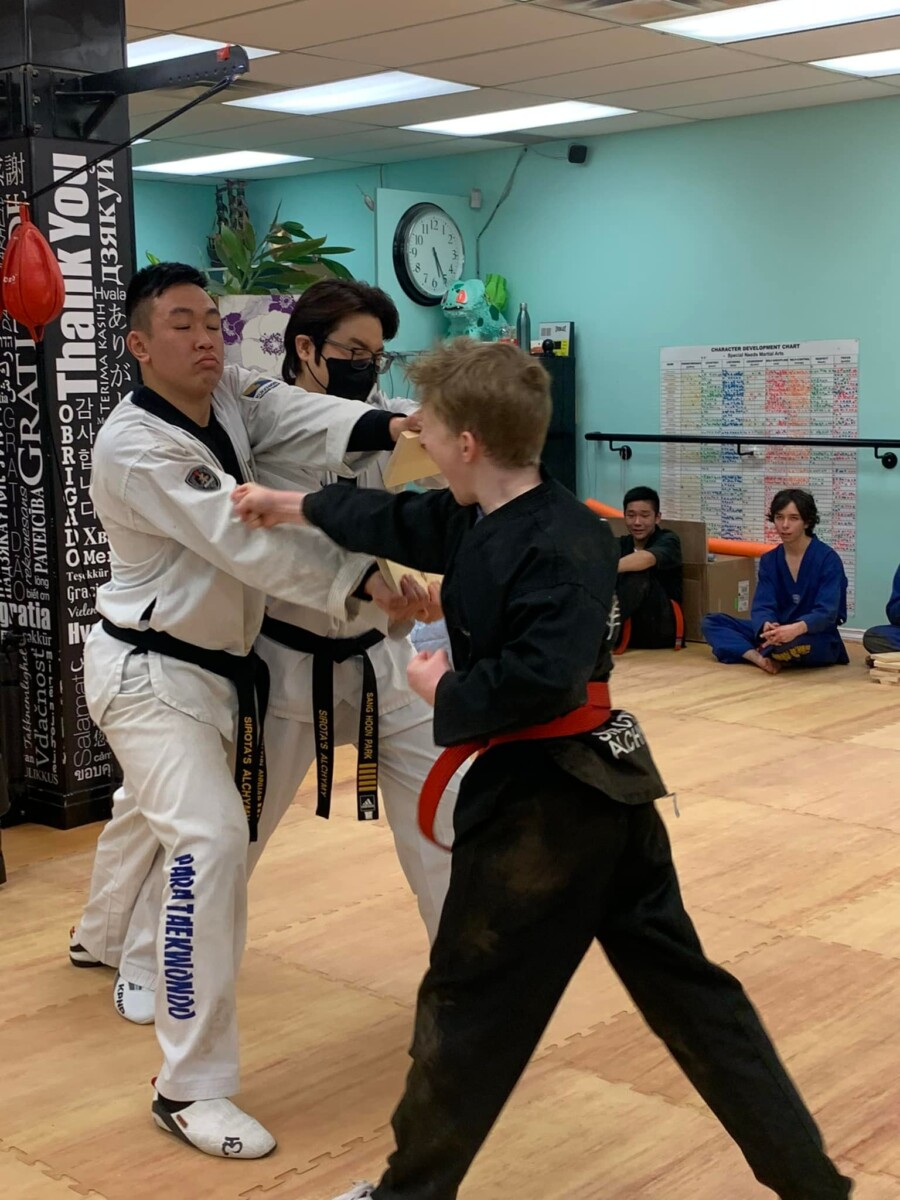
While physical prowess is crucial, Martial Arts at Sirota’s Alchymy places equal—if not greater—emphasis on mental and emotional development:
Perseverance: Obstacles and setbacks are inevitable; the ability to persist in the face of difficulty is vital.
Respect: Etiquette, humility, and courtesy toward instructors, peers, and oneself are central tenets.
Self-Control: Students must demonstrate discipline both in and out of the dojang (Martial Arts School)
Self-Confidence: Through repeated practice and success, students gain self-assurance in their abilities.
Focus: Mental clarity and the ability to concentrate under pressure are developed through regular training and testing.
Understanding Taekwondo Philosophy
The journey to Black Belt is also philosophical. Students are expected to internalize the core tenets of Taekwondo, which often include:
· Courage
· Courtesy
· Integrity
· Perseverance
· Self-control
· Indomitable Spirit
These principles are not just recited, but lived. We require advanced ranking students to write essays on what Taekwondo means to them, how they embody these tenets, and how martial arts has affected their lives.
The Black Belt Examination
 The Black Belt test is a significant milestone, designed to challenge the candidate in all areas. While specifics vary, the exam may include:
Patterns: Performing a series of prescribed movements that demonstrate balance, power, and precision.
Sparring: Controlled matches to assess practical application of techniques, strategy, control, sportsmanship, and indomitable spirit.
Board Breaking: Demonstrating power, focus, and technical skill.
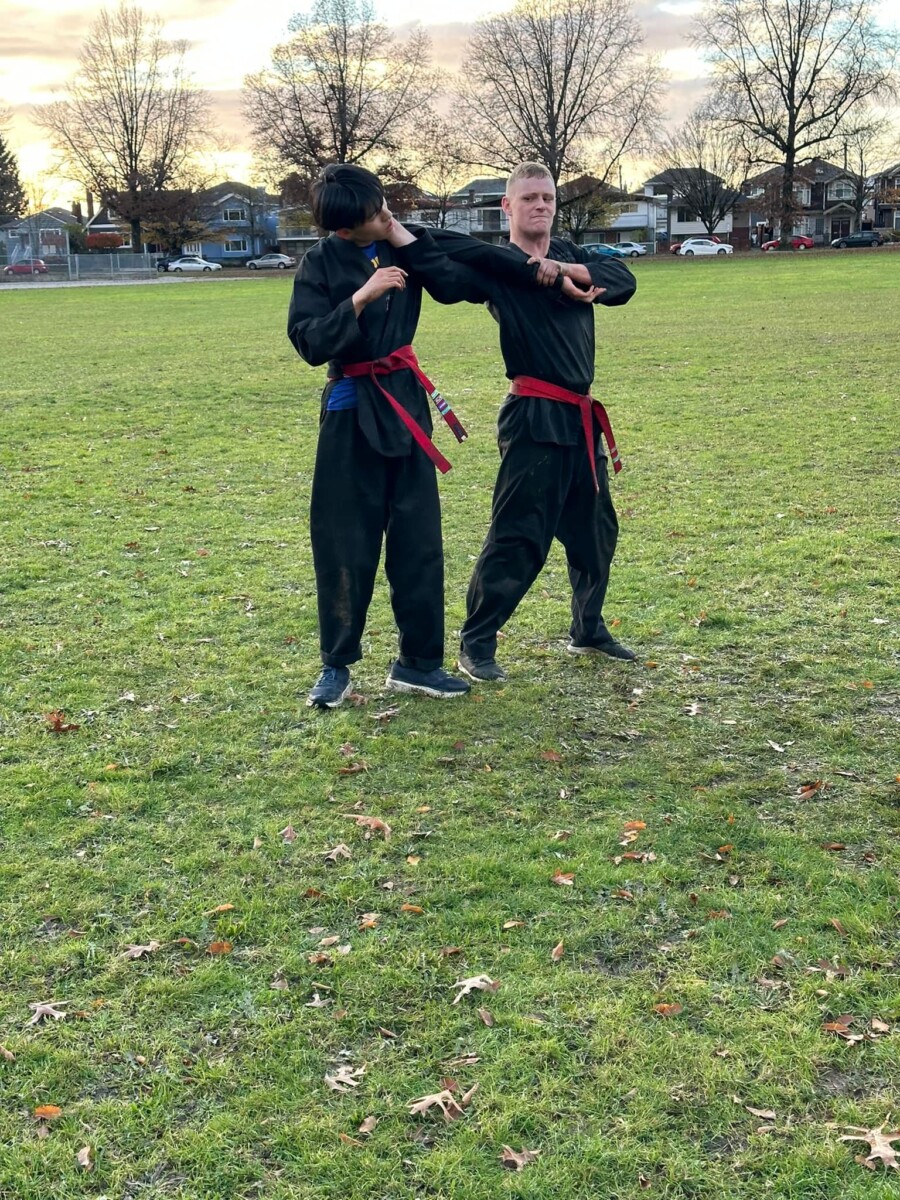
Self-Defense: Showcasing the ability to defend against grabs, holds, or attacks.
Written Test: Test questions may include the philosophy of The Alchymy, Martial Arts History, the Tenets of Taekwondo and much more. We want to make sure the Black Belt student is well versed in all aspects of Martial Arts.
Physical Fitness: Testing stamina, strength, and flexibility through timed drills or exercises.
The test will typically run between 4 – 5 hours including the Graduation.
The Meaning of the Black Belt
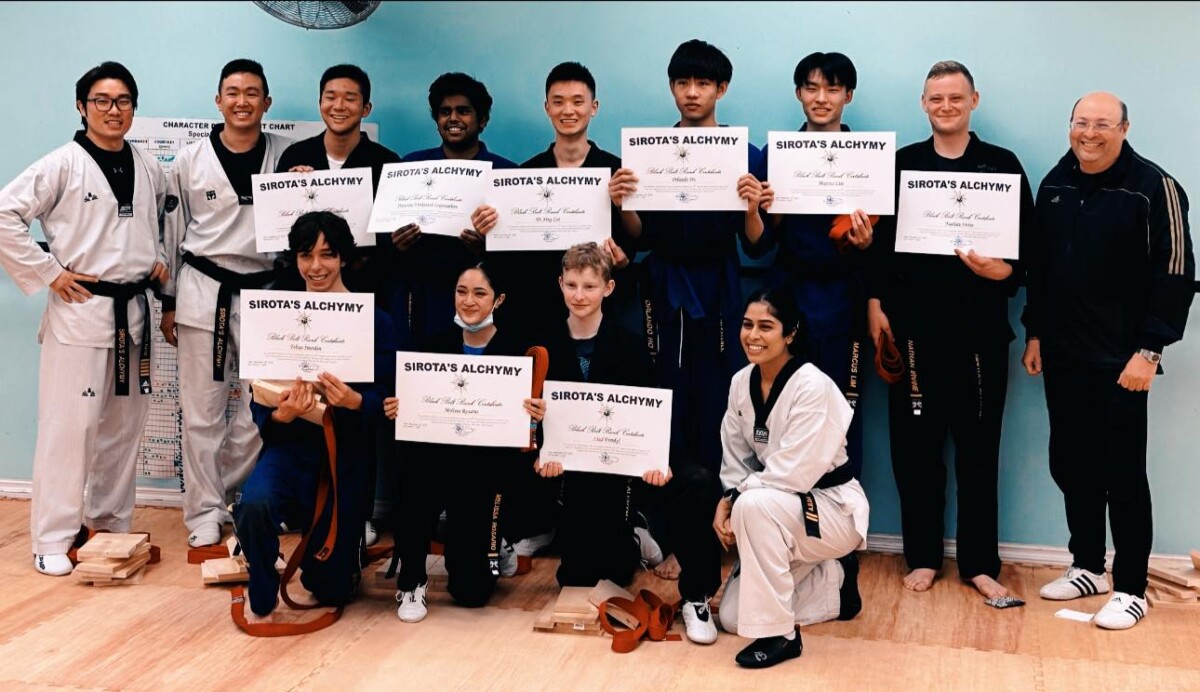
For many, the Black Belt is not the end, but the beginning of a deeper journey. It signifies a new level of understanding and commitment to Martial Arts. A Black Belt holder will learn new curriculum towards earning the 2nd Degree Black Belt. The Journey may continue a lifetime until reaching the highest level of 9th Degree Black Belt.
Continuing the Journey
Earning a Black Belt opens the door to further study. There are multiple degrees (“dan”) of Black Belt, each requiring additional years of training, teaching, and personal development. Higher degrees emphasize not only physical skill, but also leadership, contribution to the martial arts community, and ongoing self-improvement.
Becoming a Black Belt at Sirota’s Alchymy is an achievement that requires years of dedication, resilience, and a willingness to grow both physically and mentally. The outcome is not just a belt, but the development of character, the forging of lifelong friendships, and the cultivation of a disciplined, healthy, and focused life. In the end, the Black Belt is a symbol—a reminder of how far one has come and an inspiration to continue striving for excellence, on and off the mat.