Anxiety is one of the most prevalent mental health challenges facing children today. It can manifest in many forms—ranging from social withdrawal, avoidance of certain situations, excessive worry, sleep disturbances, to even physical symptoms such as headaches and stomachaches. For parents seeking holistic, engaging, and effective ways to support their children, Therapeutic Martial Arts (TMA) stands out as an innovative approach. Far beyond the kicks and punches of traditional martial arts, TMA weaves together movement, mindfulness, and therapeutic intent to help children develop confidence, emotional regulation, and resilience.
How TMA Helps Children with Anxiety
 1. Physical Activity as a Stress Reliever
Children with anxiety often experience excess energy or restlessness that can be difficult to channel in healthy ways. TMA provides a safe outlet for physical exertion, helping to release endorphins—natural mood elevators—while reducing the physiological symptoms of anxiety such as rapid heartbeat and muscle tension. Structured exercise also improves sleep quality, which is crucial for emotional regulation.
2. Building a Sense of Mastery and Confidence
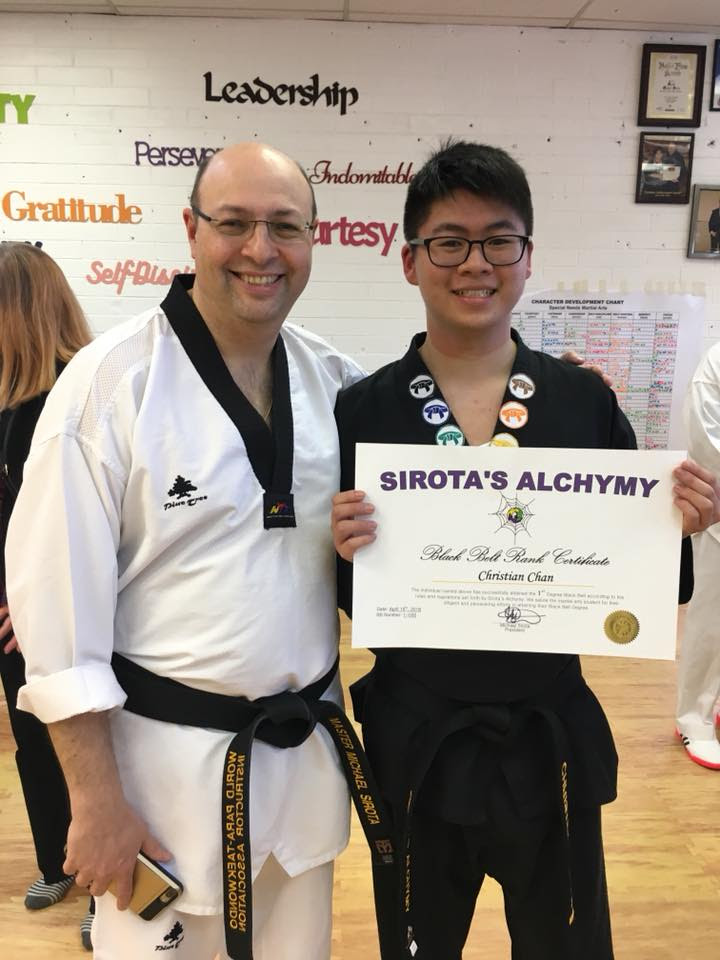
Anxiety can make children feel powerless or inadequate. Through TMA, children achieve tangible goals, such as learning a new technique or earning a belt. These successes, celebrated in a supportive community, reinforce a child’s sense of competence and self-worth. Over time, this growing confidence extends beyond the training centre and into everyday life.
3. Mindfulness and Emotional Regulation
TMA classes often incorporate practices such as deep breathing, meditation, and mindful movement. These tools teach children to recognize anxious thoughts and bodily sensations, intervene with calming techniques, and regain control over their emotions. Repetitive movement sequences can also serve as a form of moving meditation, grounding children in the present moment.
4. Healthy Routine and Predictability
Many children with anxiety thrive on routine. The structured nature of TMA classes—beginning with warm-ups, followed by skill practice, group activities, and cool-downs—provides a predictable framework. Knowing what to expect can reduce anticipatory anxiety and help children feel more secure.
5. Social Support and Belonging
Anxiety often leads to isolation. TMA classes offer a welcoming space where children can connect with peers who share similar interests. Activities that involve partner work, group exercises, or even friendly sparring cultivate trust, cooperation, and a sense of belonging. Instructors also model and reinforce positive social behaviors, from respectful greetings to active listening.
6. Learning to Cope with Setbacks
Failure and mistakes are part of any learning process, and TMA is no exception. Children are gently encouraged to keep trying—even when they stumble. This fosters resilience and teaches them that setbacks are opportunities for growth, not indicators of personal inadequacy. Such lessons are invaluable for children who might otherwise fear failure or avoid new experiences due to anxiety.
7. Empowerment and Self-Advocacy
A key component of TMA is teaching children how to set boundaries and stand up for themselves in safe, appropriate ways. Through role-playing scenarios, assertiveness training, and self-defense techniques, children gain a greater sense of agency. This empowerment can directly counter feelings of helplessness or vulnerability that often accompany anxiety.
 The Science Behind the Benefits
Research shows that physical activity and mindfulness-based interventions are among the most effective non-pharmaceutical strategies for managing childhood anxiety. Martial arts, when taught in a therapeutic context, combine both. Studies have found that children who participate in martial arts training demonstrate improvements in emotional control, attention, and even academic performance.
Furthermore, the supportive, non-judgmental environment of TMA classes is particularly effective for children who may struggle in more competitive or high-pressure sports settings.
Choosing the Right Program
When seeking a TMA program for a child with anxiety, it’s important to look for martial arts schools with experience in child development and experience of working with children with special needs and abilities.
Programs should emphasize patience, positive reinforcement over competition or a military style of instruction as well as the concept of personal victory. Personal Development should be at the core of its teaching philosophy.
When the child is in a supportive environment with experienced instructors, there will be much success in the overall development of the child on all levels.