An Exploration of Personal Growth, Physical Well-being, and Lifelong Skills
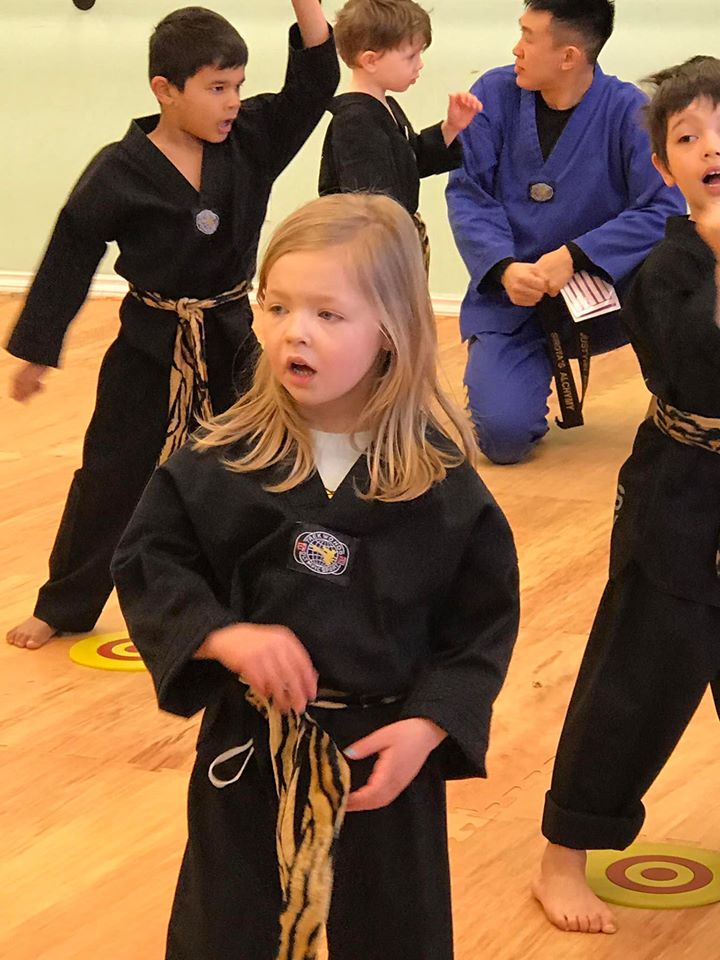
In today’s fast-paced, connected world, parents, guardians, and educators are often tasked with the challenge of selecting extracurricular activities that best support the growth and development of their children. Two of the most popular options are traditional team sports—such as soccer, basketball, baseball, or hockey—and martial arts lessons like Karate and Taekwondo. While each offers its own set of advantages, martial arts lessons provide unique benefits that often distinguish them from the traditional team sports experience. Martial arts can foster not only physical fitness but also personal discipline, emotional resilience, and lifelong well-being in ways that often differ from or complement the outcomes of team-based athletic activities.
Physical Fitness and Skill Development
Comprehensive Physical Conditioning
Martial arts place significant emphasis on total body conditioning. Unlike many team sports that may focus on specific skills or muscle groups—such as kicking in soccer or throwing in baseball—martial arts practice generally includes a holistic approach to fitness. Warm-ups, drills, patterns, sparring, board breaking and self-defense training are designed to improve cardiovascular endurance, flexibility, agility, balance, strength, and coordination. Practitioners develop core strength from repeated dynamic movement.
Traditional team sports are also physically demanding and promote cardiovascular health, coordination, and muscular development. However, the specificity of skill sets in some sports can mean that certain areas of physical development are prioritized over others. Martial arts’ diverse movement patterns, by contrast, tend to cultivate a more balanced physique, reducing the likelihood of muscular imbalances and overuse injuries. Martial Arts training further promotes development of both sides of the body.
Self-Defence Skills
One of the primary draws of martial arts at Sirota’s Alchymy is the acquisition of self-defence techniques. While traditional team sports may build athleticism and general fitness, they rarely incorporate direct self-protection strategies. Martial arts lessons empower practitioners with practical skills for personal safety, awareness, and confidence in potentially threatening situations. Learning blocks, escapes, take downs, and controlled responses to aggression instills both a sense of security and humility.
Injury Prevention and Body Awareness
Martial arts training often includes instruction on how to fall correctly, how to move safely, and how to respect one’s own physical limitations. This heightened body awareness can reduce the risk of injury, not only during martial arts practice but in everyday life. While team sports often teach similar principles, martial arts place a particular focus on personal responsibility and mindful movement.
Personal Development and Emotional Intelligence
Discipline and Focus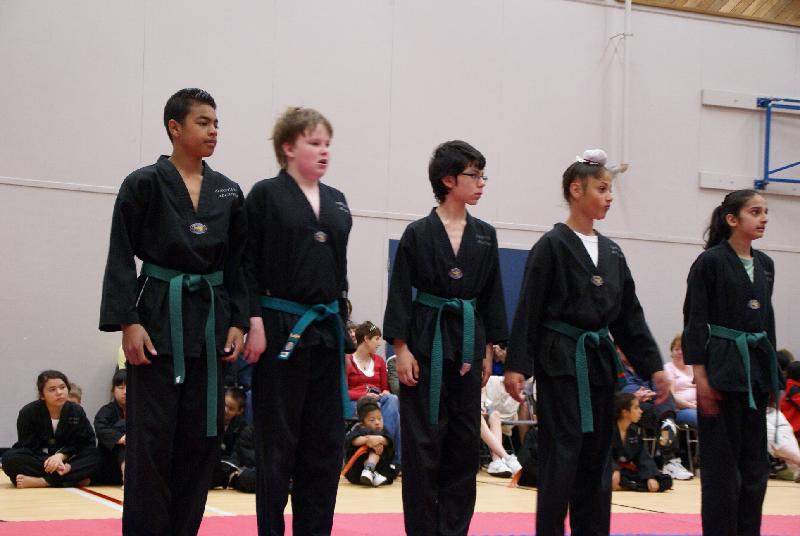
Respect, discipline, and focus are at the heart of martial arts traditions at The Alchymy. Instructors instill rituals such as bowing, addressing teachers and peers courteously, and maintaining attention, which reinforce a structured learning environment. Progress is individually measured through belt ranks, and students must demonstrate self-control, patience, and consistent effort to advance.
Although traditional team sports also cultivate discipline—through practice schedules, adhering to rules, and working towards goals—martial arts often create a deeper, more individualized sense of responsibility. Success in martial arts is measured by one’s own progress rather than comparative performance on a team, fostering intrinsic motivation and a lasting work ethic.
Confidence and Self-Esteem
Earning a new belt, mastering a complex form, or successfully defending against a partner in sparring all provide tangible milestones for self-assessment and accomplishment. This personal journey, with clear steps and recognition of individual growth, often leads to increased confidence and self-esteem. In contrast, team sports may sometimes tie a participant’s sense of achievement to the outcome of a game or the performance of the group.
Emotional Regulation and Stress Reduction
The controlled environment of a martial arts school allows students to channel aggression and anxiety in positive ways, developing coping mechanisms for challenges both on and off the mat.
Team sports can also foster emotional growth, particularly through social interactions, handling wins and losses, and working as part of a unit. However, the direct instruction in mindfulness and emotional control and regulation is a distinctive feature of many martial arts programs.
Social Skills and Community
 Individual Progress Within a Supportive Community
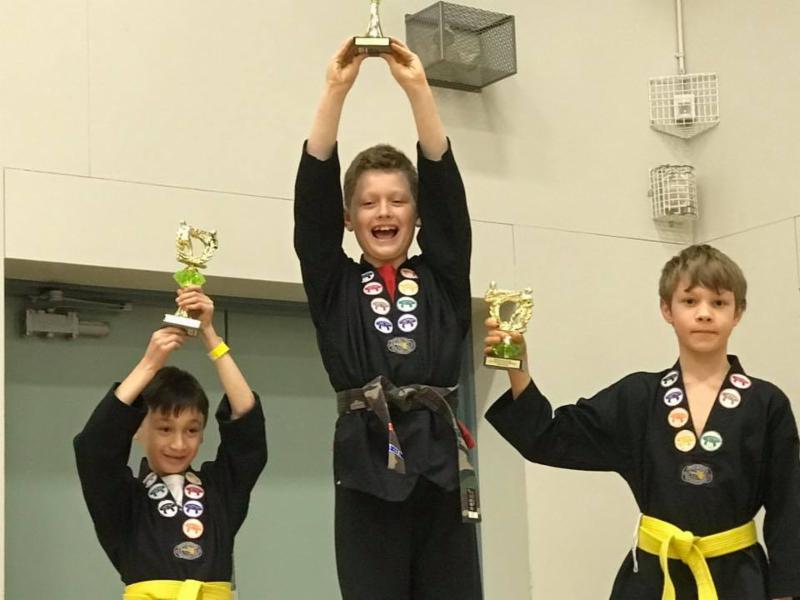
One might assume that martial arts, often practiced individually, are less social than team sports. However, martial arts communities are typically supportive, inclusive, and collaborative. Students train together, help one another refine techniques, and celebrate each other’s achievements. Sparring and partner drills teach respect, empathy, and boundaries.
In contrast, team sports emphasize collaboration, teamwork, and collective responsibility. These are invaluable skills for social development and are often cited as key benefits of team participation. Nonetheless, martial arts do not lack in social value—they simply provide a different format. Students learn to support others while remaining accountable for their own progress.
Inclusivity and Accessibility
Martial arts at Sirota’s Alchymy are well-suited for participants of various ages, body types, stages of development and ability levels. Unlike many team sports, which may have age or size divisions and can prioritize physical prowess, martial arts programs often welcome all who are willing to learn. Advancement is based on personal improvement rather than comparison with others, making martial arts particularly inclusive.
Team sports can sometimes present barriers to entry based on skill level, physicality, or competitive selection. While these factors can motivate some participants, they may discourage others. Martial arts lessons, by focusing on individual progress, allow every practitioner to experience growth at their own pace.
Lifelong Benefits and Applicability
Transferable Life Skills
The lessons learned in martial arts extend far beyond The Alchymy walls. Practitioners acquire skills in goal-setting, time management, perseverance, and self-motivation. The ability to stay calm under pressure, learn from setbacks, and maintain focus are applicable in academic, professional, and personal contexts.
This can promote a growth mindset and resilience that remains relevant through all stages of life.
Opportunities for Lifelong Practice
Unlike many traditional team sports, which may become less accessible with age due to physical demands or lack of organized teams, martial arts offer a lifelong practice. The focus on gradual and sustainable progress via the Concept of Personal Victory means that practitioners can continue to benefit physically and mentally over the course of many years.
The journey of a martial arts student is both an inward and outward adventure—one that builds not only strong bodies but resilient minds and compassionate spirits all integrated with Positive Life Skills. Martial arts can serve as a powerful foundation for a fulfilling and healthy life.